Skip to content

Table of Contents
Choosing between Microneedling vs Chemical Peels can feel confusing, especially when both are known for refreshing the skin. At Glo Med Spa Austin in Austin, TX, skin renewal is never one-size-fits-all. Your skin history, comfort level, goals, and sensitivity all matter when deciding between professional skin renewal treatments.
Which is the better skincare option, Microneedling or Chemical Peels?
Microneedling is often preferred for acne scars, enlarged pores, fine lines, and firmness because it supports collagen renewal. Chemical peels may be better for dullness, discoloration, and uneven tone. A consultation helps match treatment to your skin.
How Microneedling And Chemical Peels Renew Skin Differently
Microneedling and chemical peels both encourage healthier-looking skin, but they work in very different ways.
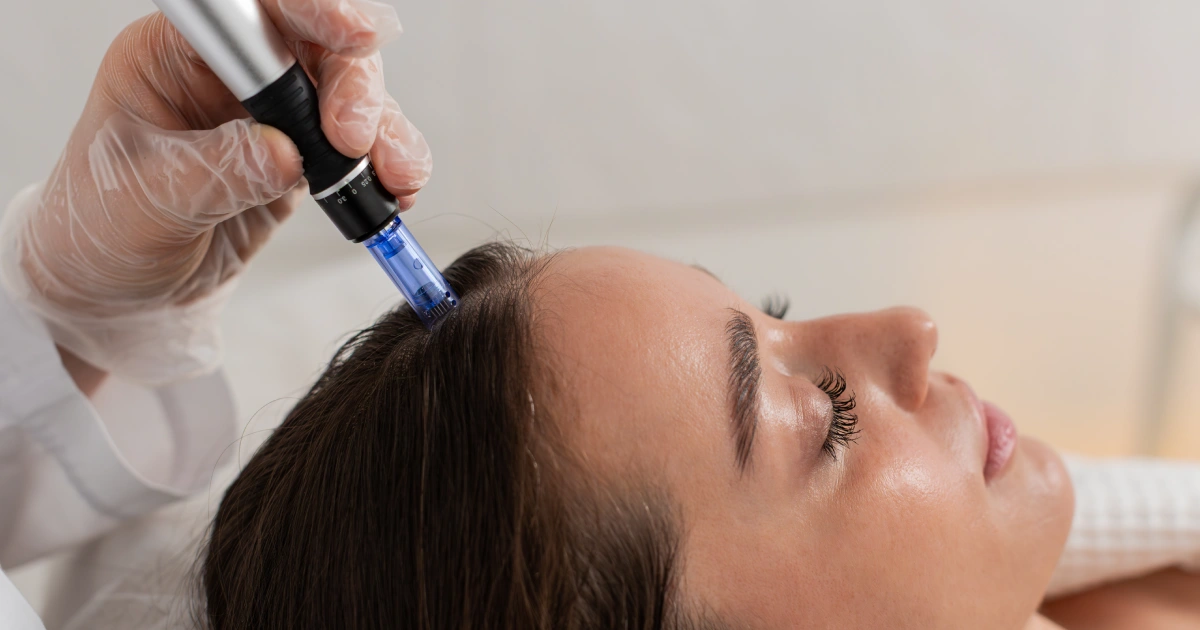
Microneedling creates tiny, controlled channels in the skin. These micro-injuries trigger the body’s natural repair process, which supports the formation of new collagen and elastin over time. This is why many people associate the greatest microneedling benefits with smoother texture, firmer skin, and gradual improvement in the appearance of acne scars.
RF microneedling takes that idea a step further. With RF Microneedling in Austin, TX at Glo Med Spa Austin, radiofrequency energy is delivered into deeper layers of the skin during treatment. Glo Med Spa Austin offers Lutronic Infini™ and Venus Viva™, two RF microneedling technologies designed to support customized skin rejuvenation. The goal is deeper remodeling, not just surface exfoliation.
A chemical peel treatment in Austin, TX, on the other hand, uses a professional solution to exfoliate the outer layers of the skin. This can help lift dull buildup, improve brightness, smooth rough surface texture, and support a more even-looking complexion.
Think of it this way: RF microneedling focuses more on collagen remodeling beneath the surface, while chemical peels focus more on surface renewal and brightening.
Which Skin Concerns Each Treatment Is Best For
The best treatment depends on what you see in the mirror and what is happening underneath the skin.
RF microneedling may be a better fit for concerns such as:
- Acne scars or uneven texture
- Enlarged pores
- Fine lines and early skin laxity
- Roughness, firmness, and collagen loss
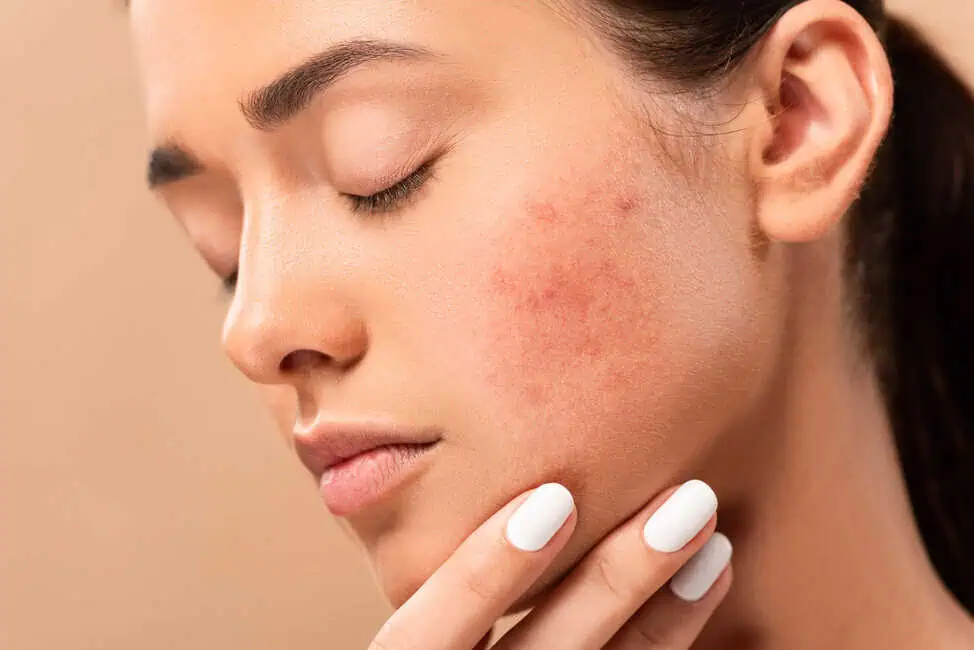
This is why microneedling for acne scars is such a common interest. Acne scars often involve changes below the surface, so a collagen stimulation treatment may be more appropriate than a treatment that only exfoliates the top layer.
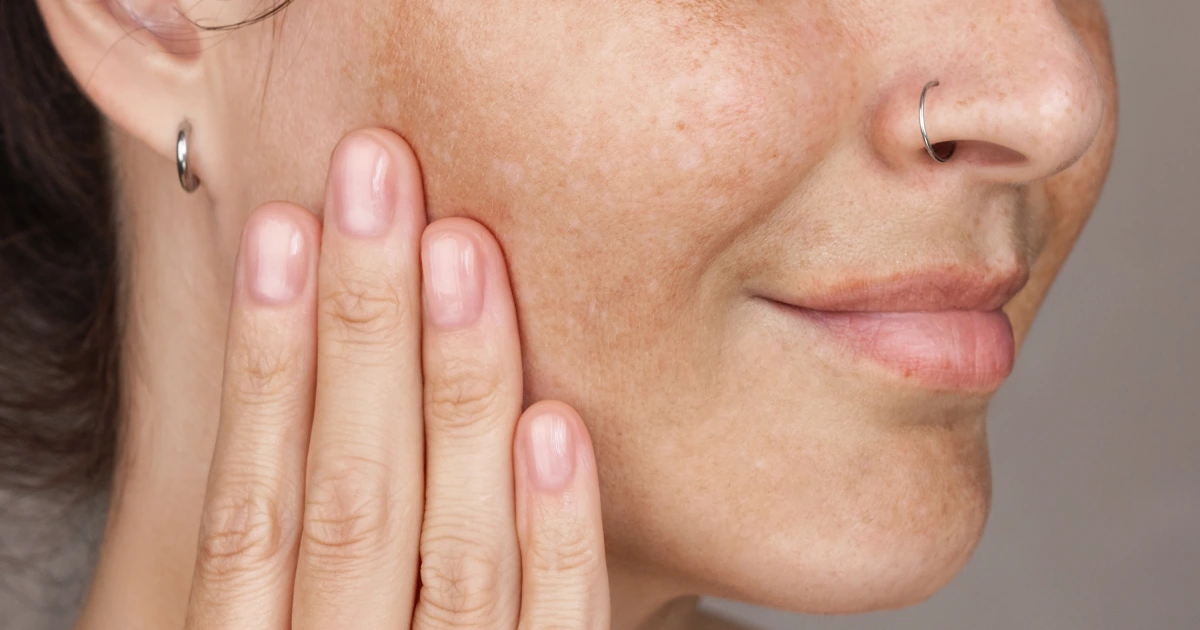
Chemical peels may be a better fit for concerns such as dullness, mild pigmentation, clogged pores, sun damage, and uneven tone. For example, a chemical peel for hyperpigmentation may help when discoloration is closer to the surface, and the skin can safely tolerate exfoliation.
Both options can improve texture, but they do not target texture in the same way. RF microneedling is often chosen for deeper, more structural concerns, while peels are often chosen for brightness and surface smoothness.
Who May Be A Better Fit For RF Microneedling
RF microneedling may be a better fit if your goal is to improve skin quality from within. At Glo Med Spa Austin, Microneedling in Austin, TX is especially relevant for people looking for firmer, smoother, more refined-looking skin without surgery.
You may lean toward RF microneedling if you are concerned about:
- Acne scars or textural pitting
- Fine lines and wrinkles
- Enlarged pores
- Mild sagging or loss of firmness
- Uneven texture that feels deeper than surface roughness
Because RF microneedling can be customized, it may be suitable for various concerns and skin types, but candidacy still depends on your skin health, medical history, and a provider’s evaluation. A comforting thing to remember is that you do not have to diagnose your own skin. That is exactly what a consultation is for.
Who May Be A Better Fit For A Chemical Peel
A chemical peel may be a better fit if your skin looks tired, congested, uneven, or dull. Peels are often chosen when the main goal is a fresher, more radiant surface glow rather than deeper collagen remodeling.
You may consider a chemical peel if you want help with mild discoloration, rough texture, clogged pores, or sun-related unevenness. Peels can range from lighter refresh treatments to more intensive resurfacing options, so the type of peel matters.
However, not every peel is right for every person. Skin tone, sensitivity, active breakouts, recent sun exposure, and pigmentation risk should all be considered. A thoughtful provider will help choose a peel strength and timing that respects your skin barrier.
Can Microneedling And Chemical Peels Work Together
Sometimes the answer is not one treatment forever. Some people benefit from both RF microneedling and chemical peels as part of a larger skin plan.
For example, RF microneedling may help improve skin firmness and texture, while chemical peels may help brighten the skin and reduce dullness. The key is timing. These treatments are usually not performed too close together because your skin needs time to recover.
A provider should decide the sequence based on your skin condition, goals, and tolerance. More is not always better. The best plan is the one your skin can respond to safely and comfortably.
What To Expect During Treatment And Downtime
Both treatments are professional services, but the experience and downtime can feel different.
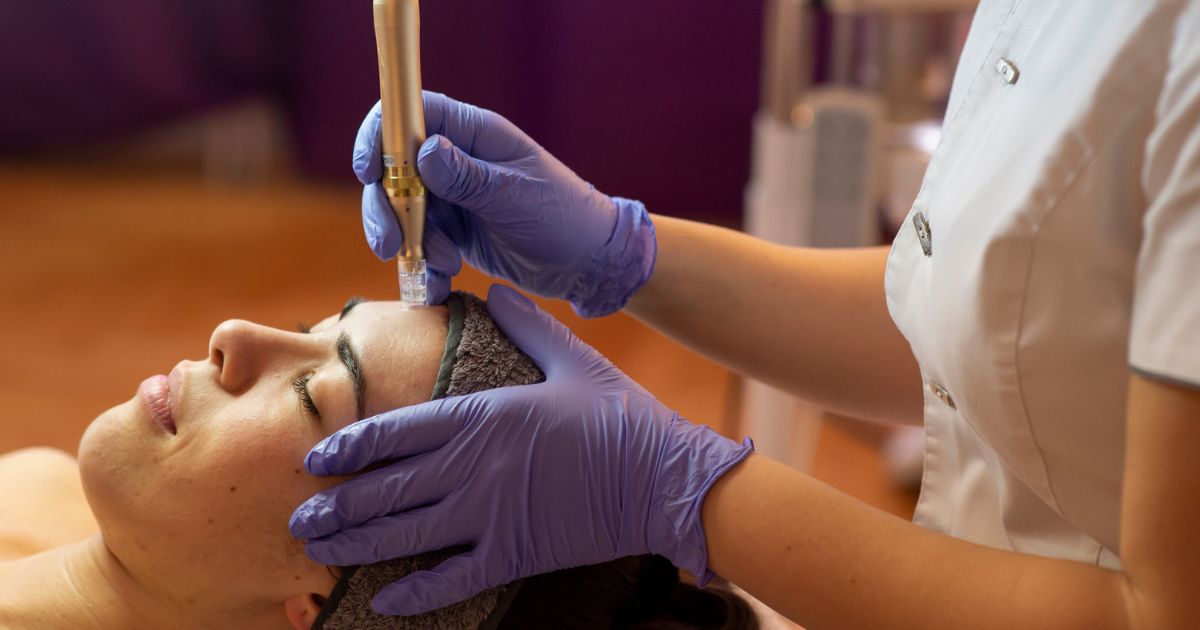
With RF microneedling, your provider may apply numbing cream before treatment. The device is then moved across the treatment area in controlled passes. Afterward, the skin may look red or feel warm and sensitive, similar to a sunburn-like sensation.
Mild swelling or tightness can also happen. Most people choose RF microneedling knowing that the results are gradual because collagen remodeling takes time.
With a chemical peel, the provider applies a solution to the skin for a controlled period of time. You may feel tingling, warmth, or mild stinging depending on the type of peel. After treatment, the skin may feel dry, tight, or flaky. Some peels cause visible peeling, while lighter peels may have little obvious shedding.
Downtime depends on several things, including peel strength, RF settings, skin sensitivity, and your treatment goals. Neither option should be treated casually. Proper prep, aftercare, and sun protection matter for both.
How To Decide Which Skin Renewal Treatment To Book First
If you are still comparing Microneedling vs Chemical Peels, start with your biggest priority.
Choose RF microneedling first if your main concerns are acne scars, deeper texture, enlarged pores, firmness, fine lines, or collagen support. Choose a chemical peel first if your main concerns are dullness, mild surface discoloration, clogged pores, or uneven tone.
For mixed concerns, a consultation is the smartest next step. At Glo Med Spa Austin, our provider can help you decide whether RF Microneedling in Austin, TX, a peel, or a staged plan makes the most sense for your skin.
Glow Up Your Skin
At Glo Med Spa Austin, your goals are treated with care, comfort, and personalized guidance. Book your skin renewal consultation at Glo Med Spa in Austin, TX today!