Skip to content


Table of Contents
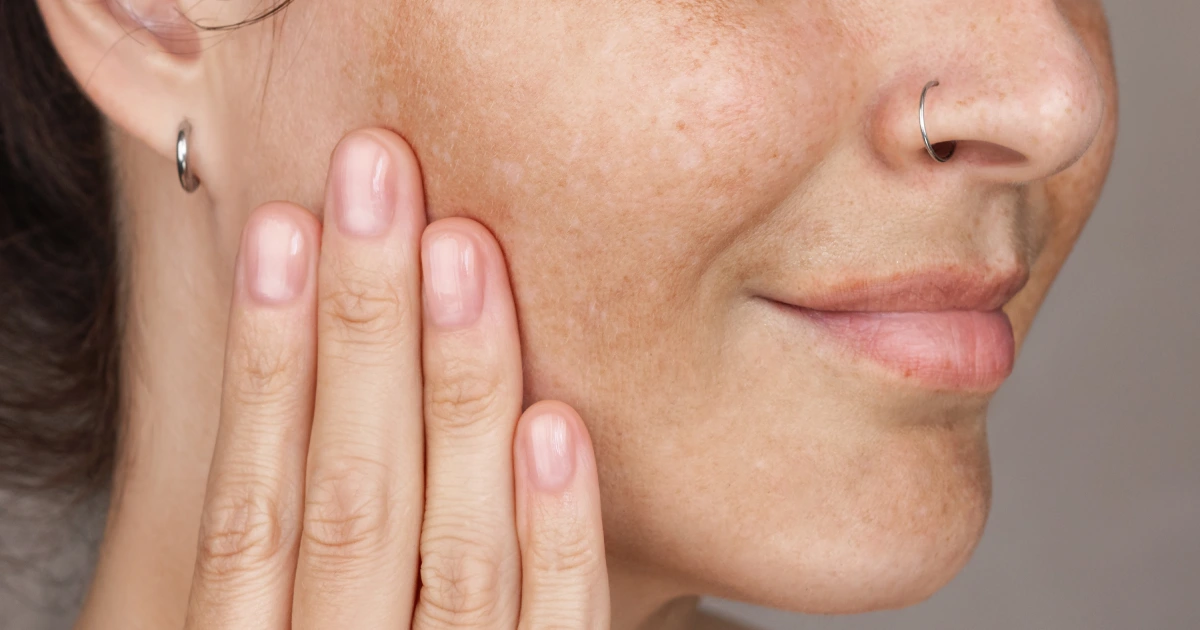
You have probably tried waiting it out. A spot appeared after a summer weekend, or a breakout healed and left a brown mark, and you figured time would handle it. Months later it is still there.
Pigment does not follow the same rules as the rest of your skin. At Glo Med Spa In Austin, TX, effective hyperpigmentation treatment starts with depth, because depth is usually why discoloration stays put. Here is why spots linger, and how Pico laser reaches pigment your skin cannot shed.
Why doesn’t hyperpigmentation go away by itself?
Excess melanin often settles deeper than the surface layer your skin naturally sheds, so normal turnover never reaches it. That pigment can stay put for years unless something breaks it into pieces small enough for the body to clear.
Why Hyperpigmentation Doesn’t Fade the Way a Bruise Does
A bruise clears because your body reabsorbs the blood that caused it. Pigment behaves differently because the melanin behind dark spots on skin often sits below the epidermis, in the deeper dermal layer. Surface cells renew on a month-long cycle, and that turnover only reaches the top.
There is a second reason the mark outlasts its cause. Melanocytes, the cells that make melanin, can stay stuck in an overactive state long after the trigger is gone. The sunburn healed and the pimple resolved, but pigment production kept going.
Some Dark Spots Fade, Others Never Budge
Not all discoloration is the same problem under a different name. Understanding hyperpigmentation causes matters, because depth and driver decide whether time helps. Three patterns cover most of what we see:
- Post-inflammatory hyperpigmentation. Marks left behind by acne or irritation. These sit fairly shallow and often lighten over several months.
- Sun spots and age spots. Years of cumulative exposure push pigment deeper, so patience alone rarely does much.
- Melasma. Hormones, heat, and light all feed it, making it the most persistent pattern and the most likely to return.
If your acne marks faded but the patches across your cheeks never moved, that difference is real and clinical. It is also why one product rarely handles everything at once. Melasma especially is managed rather than cured.
Why Pigment Keeps Coming Back in Central Texas
Austin gives pigment almost no recovery window. UV levels stay meaningful well past summer, so skin trying to even out spends most of the year getting re-triggered. That is how sun damage and dark spots accumulate, in short everyday bursts.
Think about a Saturday on the Barton Creek Greenbelt, an afternoon on Lady Bird Lake, or two hours on a patio in July. None of it feels like sunbathing, but it adds up. Heat and visible light can reactivate melasma too, so shade and a hat are not always enough.
Where Brightening Products Stop Short of the Pigment
Topical brighteners are not useless, but most work upstream. They slow melanin production rather than removing pigment already settled in, which is why stubborn hyperpigmentation often improves briefly and then flattens out. Exfoliation hits the same ceiling, lifting superficial discoloration while leaving deeper deposits untouched.
Pushing harder tends to backfire. Inflamed skin can lay down fresh pigment on top of the original problem, leaving more uneven skin tone than you started with. That is not a discipline problem; it is a reach problem.
How Pico Laser Breaks Up Pigment Your Skin Can’t Shed
Pico laser reaches pigment by breaking it apart instead of waiting for turnover. The device fires in picoseconds, each pulse lasting a trillionth of a second, faster than heat can spread into surrounding tissue. That speed creates a photomechanical effect, so the pigment cluster shatters rather than cooks.
Once the particles are small enough, your lymphatic system carries them out over the following weeks. That is what separates laser treatment for pigmentation from anything you apply at home, because the energy reaches a depth topicals never touch.
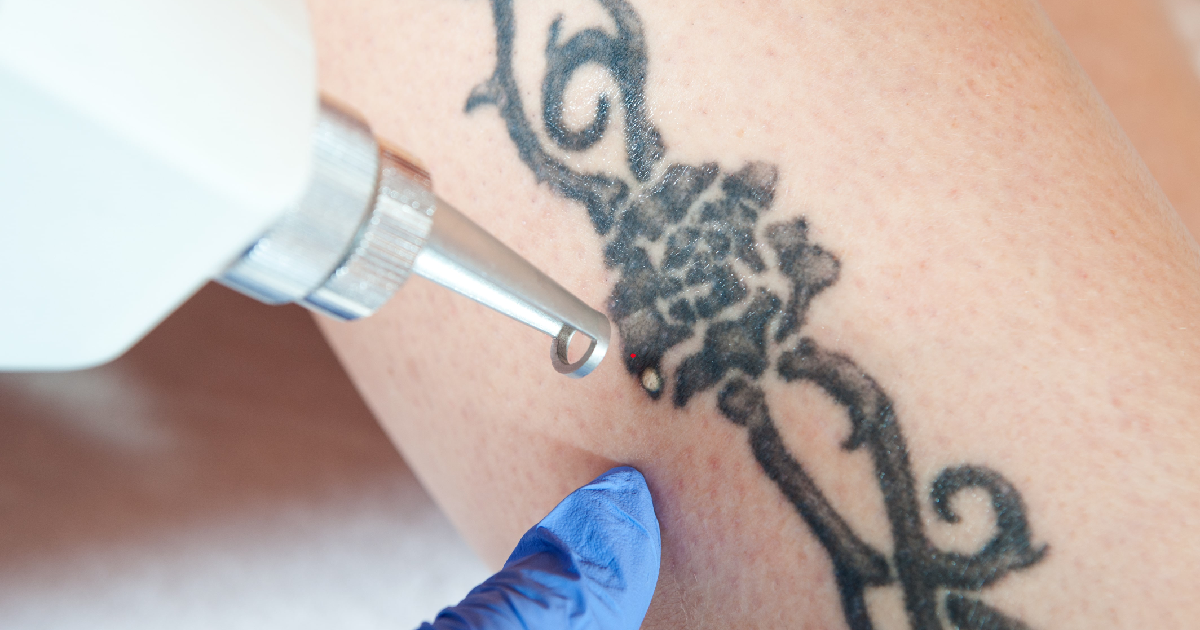
At Glo Med Spa, we use Pico laser for pigmentation along with acne scars, wrinkles, and tattoo removal. Most patients need more than one session, and results vary with pigment type and depth. If you are unsure whether your discoloration is a match, contact us, and we will talk it through.
What Low Heat Means for Deeper Skin Tones
For pigment, low thermal impact is a factor. The heat from devices can cause the same inflammation that caused the discoloration in the first place, so a treatment meant to help can actually darken the skin. That risk is greater in darker skin tones.
Providers use the Fitzpatrick scale, a classification from type I (very fair) to type VI (very dark), to judge which settings suit which skin type. Pico laser for hyperpigmentation in Austin, TX at Glo Med Spa starts with that assessment, performed by expert team. Daily sun protection stays part of the plan, because nothing stops new pigment from forming if the trigger returns.
Common Questions About Stubborn Pigment
Can hyperpigmentation come back after Pico laser?
The pigment that lit up is gone, but your skin can always make more. The trigger returns and new spots develop, so daily SPF remains critical afterward.
Does Pico laser work on melasma?
It can help soften melasma, with one caveat. Melasma is chronic and relapse-prone, so the goal is long-term management, not a permanent fix.
Can hyperpigmentation ever fade completely on its own?
Shallow post-inflammatory marks sometimes do, given time and steady sun protection. Deeper pigment usually needs help, because natural shedding never reaches it.
The Bottom Line on Pigment That Refuses to Budge
Discoloration lingers because melanin settles beneath the layer your skin sheds and because the cells producing it remain overactive long after the trigger disappears. Depth explains why acne marks fade while sun spots and melasma hold on, and Austin’s long UV season keeps re-triggering both of them. Products that slow new pigment cannot remove what is already there, and that is where the Pico laser comes in.
Book Your Hyperpigmentation Consultation at Glo Med Spa Austin and expert team look at your pigment type and depth before you spend another season waiting.