Skip to content
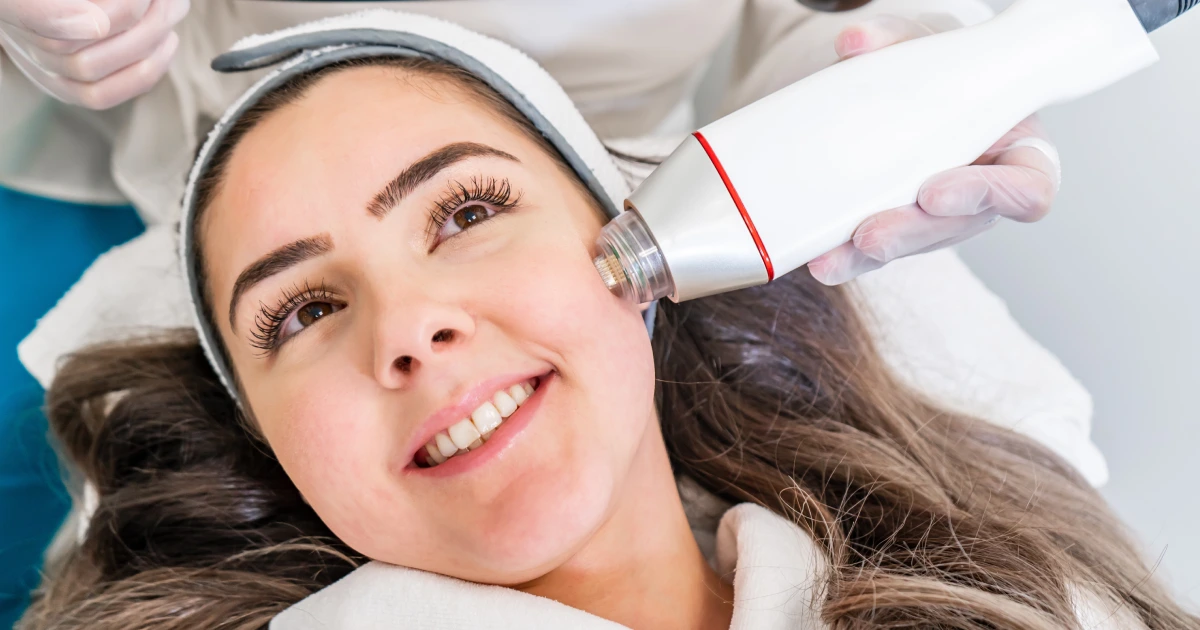
Table of Contents
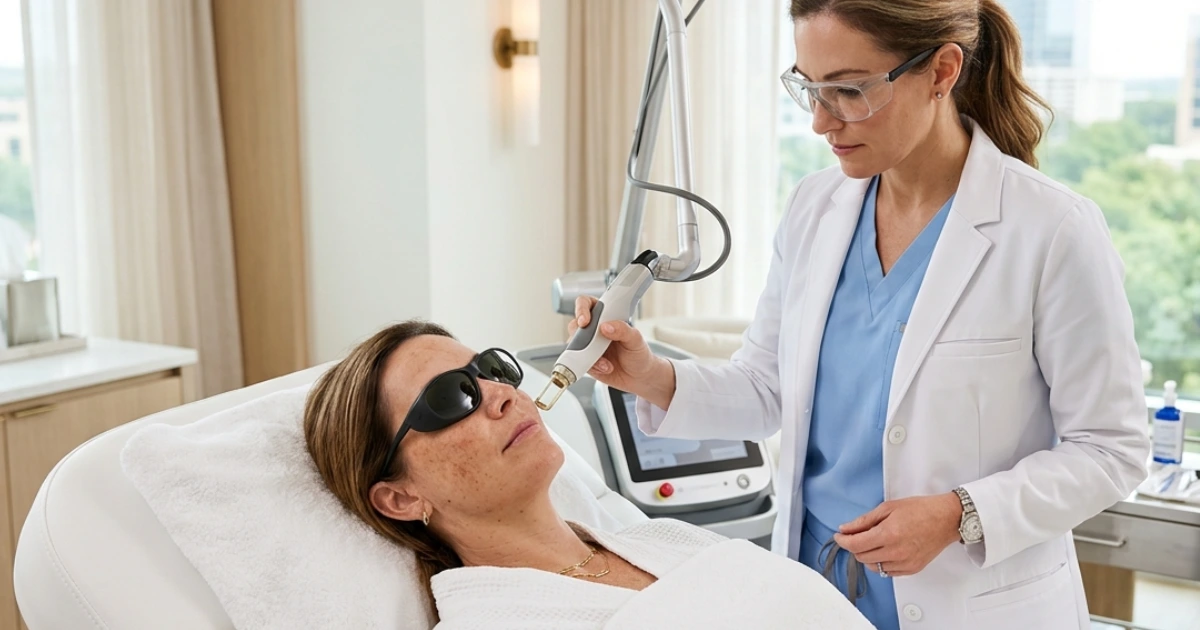
Changes in the skin rarely affect only one feature at a time. Enlarged pores, acne scars, fine lines, uneven texture, and mild laxity can develop together as collagen production slows or past inflammation alters the skin. RF microneedling addresses these concerns by creating controlled microchannels while delivering radiofrequency energy below the surface.
Rather than relying on surface exfoliation alone, the treatment supports gradual remodeling within deeper tissue, which can improve skin texture and tone without surgery or an abrupt change in appearance. This makes the treatment especially relevant when unevenness comes from a combination of surface irregularity, scar structure, and early loss of support beneath the skin.
How does RF microneedling help improve skin texture and tone?
RF microneedling combines controlled microneedling with radiofrequency energy to stimulate collagen production in deeper layers of the skin. Over time, this process may help soften rough texture, reduce the appearance of acne scars and enlarged pores, support skin firmness, and create a smoother, more even-looking complexion.
Why Texture and Tone Often Change Together
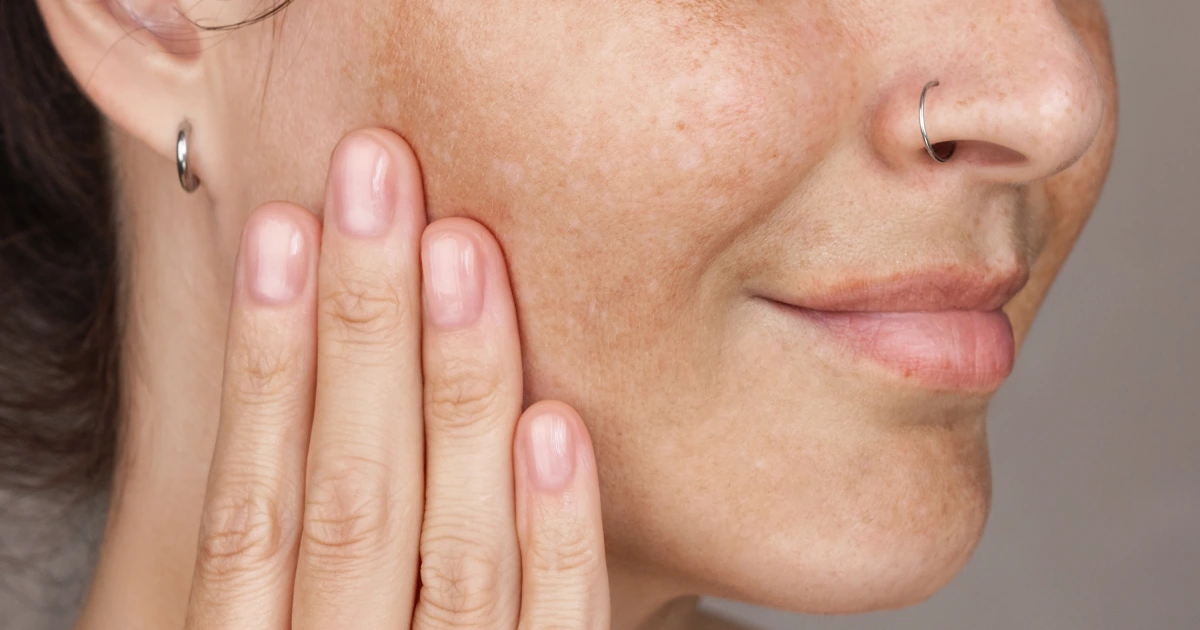
Skin texture describes how smooth or uneven the surface appears, while tone refers to the consistency of color and overall visual clarity. Although different, both can be influenced by acne, aging, sun exposure, inflammation, and changes in collagen structure.
A shallow acne scar, for example, may cast a small shadow that makes an area look darker even when pigmentation is not the main concern. Enlarged pores can have a similar effect by interrupting the way light reflects from the skin. Improving structural quality can therefore make the complexion look more balanced without directly targeting pigment.
How Radiofrequency Energy Changes the Microneedling Process
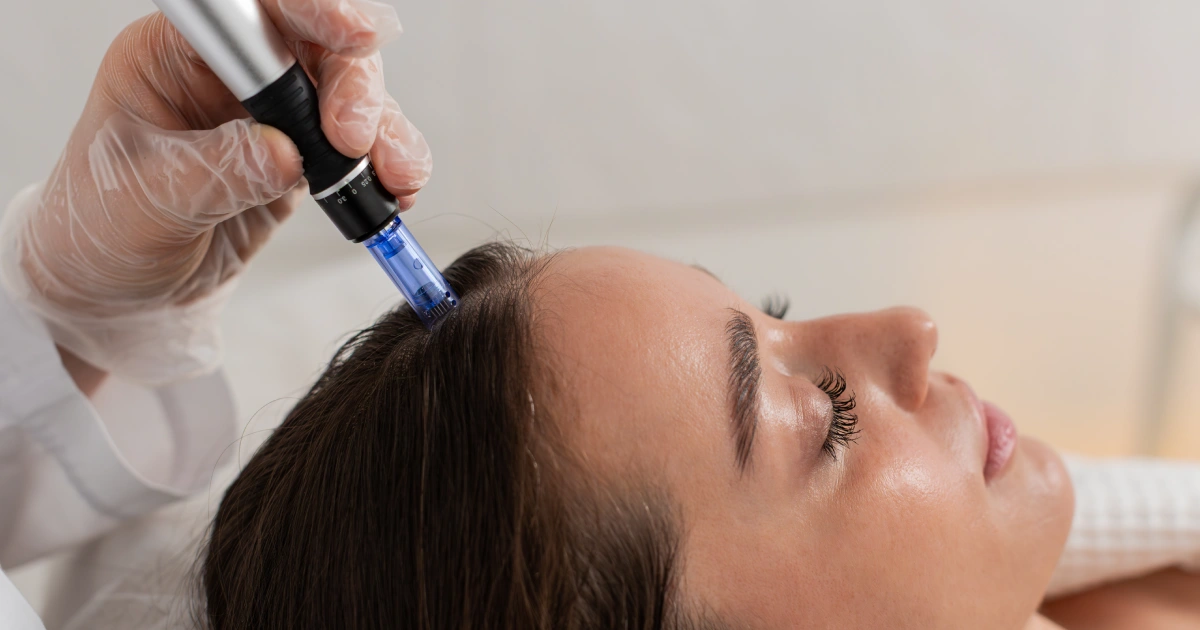
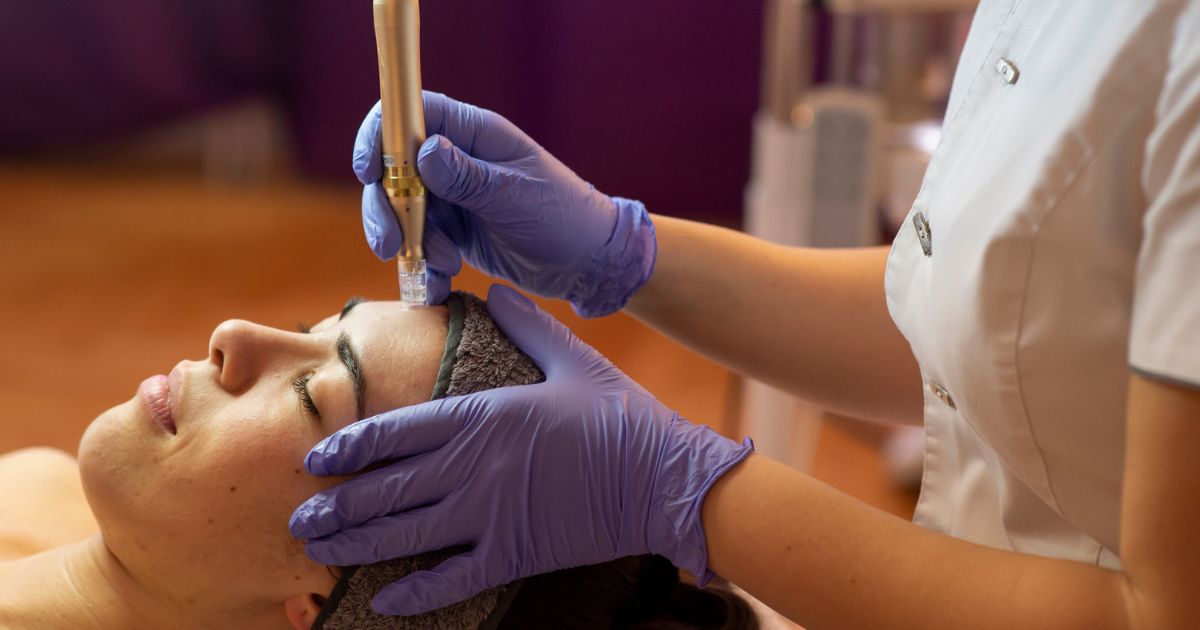
Traditional microneedling creates controlled micro-injuries that prompt a repair response. Radiofrequency microneedling adds RF energy through the needles at selected depths in the dermis, concentrating heat below the surface.
Needle depth and energy settings can be adjusted according to the treatment area, skin thickness, and concern being addressed. The goal is to create a measured response that encourages renewal over time.
Heat within the dermis also contributes to collagen stimulation and remodeling. As new collagen develops and existing fibers reorganize, treated skin may gradually feel firmer and appear more refined.
5 Ways RF Microneedling Can Improve the Look of Skin
The visible changes associated with RF microneedling come from several related effects:
- Softening uneven texture: Controlled needling can support remodeling in areas affected by roughness or shallow scars.
- Refining visible pores: As surrounding tissue becomes firmer, enlarged pores may appear less prominent.
- Improving mild acne scarring: Carefully selected treatment depths may help soften certain depressed scars by encouraging collagen development beneath them.
- Supporting firmness: RF energy can stimulate deeper tissue changes that may improve mild laxity and support skin firmness.
- Creating a more uniform surface: Fewer surface irregularities may help light reflect more evenly, contributing to smoother skin and a more consistent-looking complexion.
Results vary according to the concern, treatment plan, skin characteristics, and number of sessions.
Why Improvement Is Gradual Rather Than Immediate
RF microneedling often produces gradual change because much of the result depends on the body’s repair process. Temporary swelling or tightness may be noticeable shortly after treatment, but these early effects are not the final outcome.
Collagen remodeling continues during the weeks after a session. Texture may become more even, scars may look softer, and areas with mild laxity may appear firmer as the skin responds. Treatment plans are often spaced to allow time for this process between appointments rather than attempting a dramatic change in one session.
What RF Microneedling Can and Cannot Do for Uneven Tone
RF microneedling may improve the appearance of uneven tone when discoloration is partly related to rough texture, acne scarring, or irregular light reflection. It can also support broader skin rejuvenation by addressing several structural concerns within one treatment plan.
It is not, however, a substitute for every pigment-focused procedure. Brown spots, melasma, redness, and other forms of discoloration may require a different approach depending on their cause. A skin assessment can help determine if RF microneedling is appropriate on its own or alongside another treatment.
Why Treatment Depth and Device Choice Are Important
Different areas of the face and body have different skin thicknesses, and acne scars may require a different approach than fine lines or mild laxity. Modern RF systems allow providers to adjust treatment parameters instead of using the same settings everywhere.
This flexibility is one reason non-surgical skin rejuvenation with RF microneedling may be considered for concerns including fine lines, scars, enlarged pores, stretch marks, and mild loss of firmness. Settings should still reflect the patient’s skin, goals, treatment area, and clinical assessment.
Frequently Asked Questions
How Does RF Microneedling Improve Rough Skin Texture?
RF microneedling creates controlled microchannels and delivers RF energy into the dermis to support collagen remodeling that may gradually soften uneven texture.
Can RF Microneedling Help With Uneven Skin Tone?
It may make tone appear more even when discoloration is influenced by texture, scarring, or irregular light reflection, but pigment-specific concerns may require other treatments.
How Soon Can Skin Texture Improve After RF Microneedling?
Some changes may appear within a few weeks, while continued collagen remodeling can produce more noticeable improvement over the following months.
Achieve Smoother Skin With RF Microneedling for Skin Texture and Tone at Glo Med Spa
Glo Med Spa provides RF microneedling for skin texture and tone in Austin, TX using two RF microneedling platforms, Lutronic Infini™ and Venus Viva™. Both systems combine microneedling with radiofrequency energy and allow treatment to be adjusted for concerns such as fine lines, acne scars, enlarged pores, stretch marks, and mild sagging.
Sessions typically take less than an hour, although timing varies by treatment area. Temporary redness, sensitivity, or swelling may occur afterward, and downtime depends on treatment intensity and individual response.
Because collagen development continues after the appointment, results generally become more noticeable over the following weeks. Patients considering RF microneedling at Glo Med Spa can contact us to discuss which device and treatment approach may suit their skin concerns.
Book your RF Microneedling consultation at Glo Med Spa today!