Skip to content
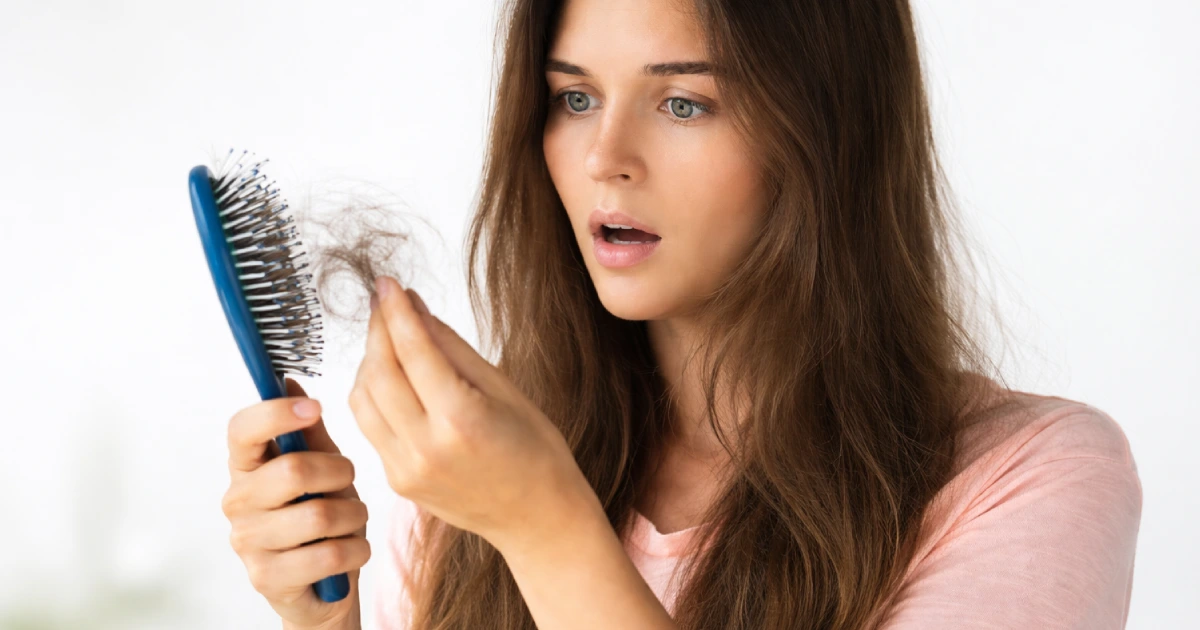
Table of Contents
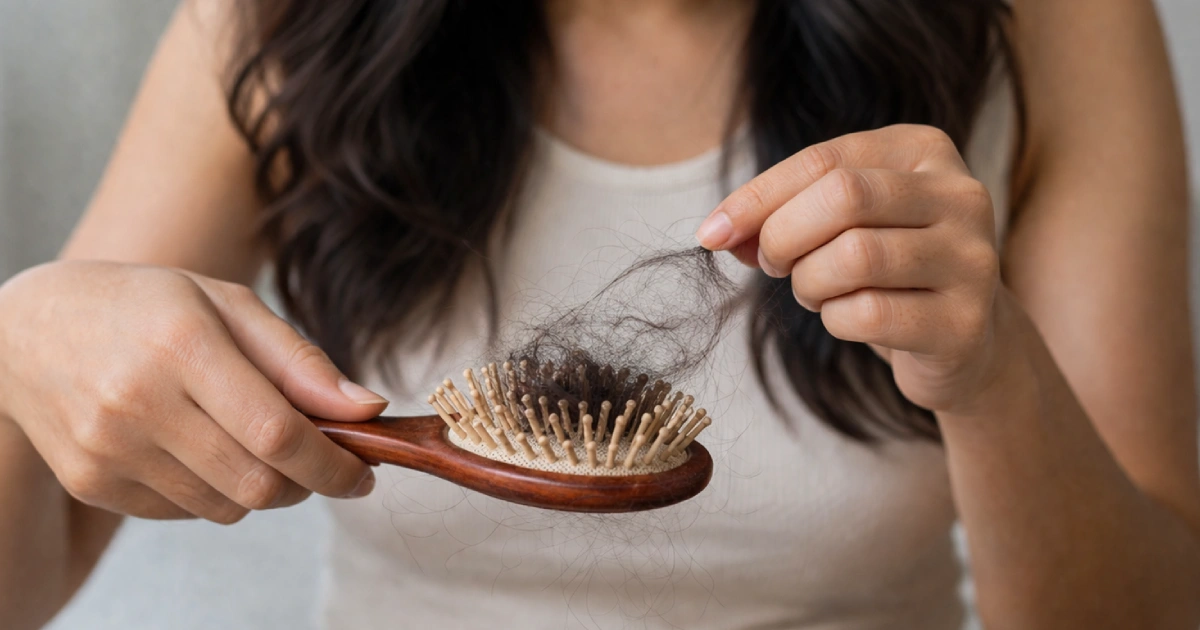
You finally have your baby in your arms, then you look down at the shower drain and think, “Why is my hair doing this now?” If you are dealing with hair falling out after a baby, rest assured that you are not doing anything wrong. The good news is you have options, from smart home care to in-clinic Hair Loss support that helps your scalp get back to a healthier rhythm.
In this guide, we will cover what causes postpartum hair loss, the typical postpartum hair shedding timeline, how to tell what is normal versus a sign to get checked, and the postpartum hair loss treatment options available at Glo Med Spa in Austin, TX.
What Causes Hair Loss After Pregnancy?
Your hair grows in cycles. Some hairs are actively growing, some are resting, and some are shedding. Pregnancy changes how many hairs stay in the growing phase. After delivery, your body shifts back, and the hairs that were hanging on start to let go around the same time. That is why it can feel sudden and intense.
Here are the most common drivers behind Hair Loss after pregnancy.
1. The hormone shift and telogen effluvium
During pregnancy, estrogen stays higher than usual. That tends to keep more hair in the growth phase, so many people notice thicker hair. After birth, estrogen drops. When that happens, more hairs move into the resting phase and then shed a few months later.
This is often called hormonal hair loss postpartum, and the pattern is usually diffuse. That means overall thinning, not bald patches.
2. Stress, sleep loss, and the physical load of recovery
Childbirth is a big physical event. Add broken sleep, stress, and the daily demands of caring for a newborn, and your body can push more hairs into that resting, shedding phase. This is a big reason hair thinning after childbirth can show up even if your pregnancy hair was amazing.
3. Nutrition gaps, iron, protein, and calories
Hair is not your body’s top priority. When your body is short on iron, protein, zinc, or calories, it prioritizes what it needs to function. Postpartum life can make it tough to eat consistently, and some people lose a lot of blood during delivery, which can drop iron stores. Low iron and low ferritin can contribute to Hair Loss and slow down regrowth.
4. Thyroid changes can mimic postpartum shedding
Postpartum thyroiditis can show up in the months after delivery. Thyroid shifts can trigger shedding and cause fatigue, mood changes, dry skin, or an unusual sensitivity to heat or cold. If your shedding feels excessive, lasts longer than expected, or is accompanied by other symptoms, a medical check is a smart move.
What Is A Typical Postpartum Hair Shedding Timeline?
Let’s talk timing, because this is where a lot of anxiety comes from. People often expect shedding right away, but it occurs later and can feel sudden. A common postpartum hair shedding timeline looks like this:
0 to 2 months postpartum: Shedding might feel normal or only slightly increased. Many people still have that pregnancy fullness.
2 to 4 months postpartum: Shedding often ramps up. This is a classic window for postpartum hair loss to become noticeable.
4 to 6 months postpartum: Shedding can peak. Ponytails feel thinner, hairlines can look wispy, and you might see more hair on your brush.
6 to 12 months postpartum: Shedding usually slows, and regrowth becomes more obvious. Many people see baby hairs along the hairline.
Some people bounce back faster, others take longer. If you breastfeed, your hormones can stay in a different pattern for longer, and that can affect how fast things settle. That does not mean you are stuck; it simply means your body is still in transition.
What Are The Safe Treatments For Hair Loss While Breastfeeding?
When it comes to safe treatments for hair loss while breastfeeding, the main rule is simple: confirm safety with your medical team, then choose options that do not add stress or risk. Glo Med Spa & Wellness offers hair-focused services that aim to improve scalp health and encourage stronger, denser growth over time.
These Hair Loss Treatments in Austin, TX, can be used on their own or combined into a plan based on your pattern of thinning, scalp condition, and postpartum stage.
1. AquaFirmeXS with DeRive
AquaFirmeXS with DeRive is a serum-based scalp treatment designed to support healthier follicles. It delivers growth factors and plant-based exosomes to nourish the scalp environment. When paired with gentle exfoliation, it can help clear buildup and create a better surface for follicle activity.
What people tend to appreciate about this option is that it feels scalp-focused and supportive, not harsh. Over time, many patients notice their hair feels stronger, and density can improve as new growth matures.
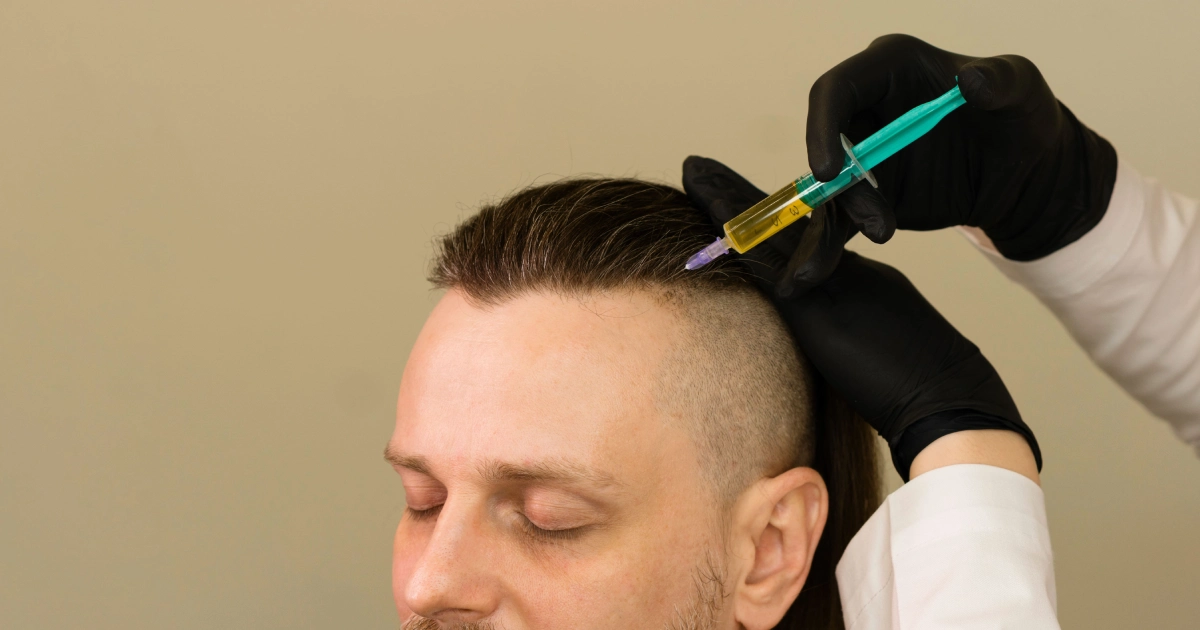
2. PRP Injections for Hair Loss
PRP injections for hair restoration use platelet-rich plasma (PRP) derived from your own blood. After a small blood draw, the sample is processed to concentrate platelets. Those platelets are then injected into targeted areas of the scalp.
Platelets release growth signals that can support circulation and follicle activity. In plain terms, PRP aims to stimulate sluggish follicles and help them perform better.
For postpartum clients, PRP can be appealing because it uses your body’s own components. Comfort levels vary, and this is still a medical service, so it is important to review your health history and current postpartum status during your visit.
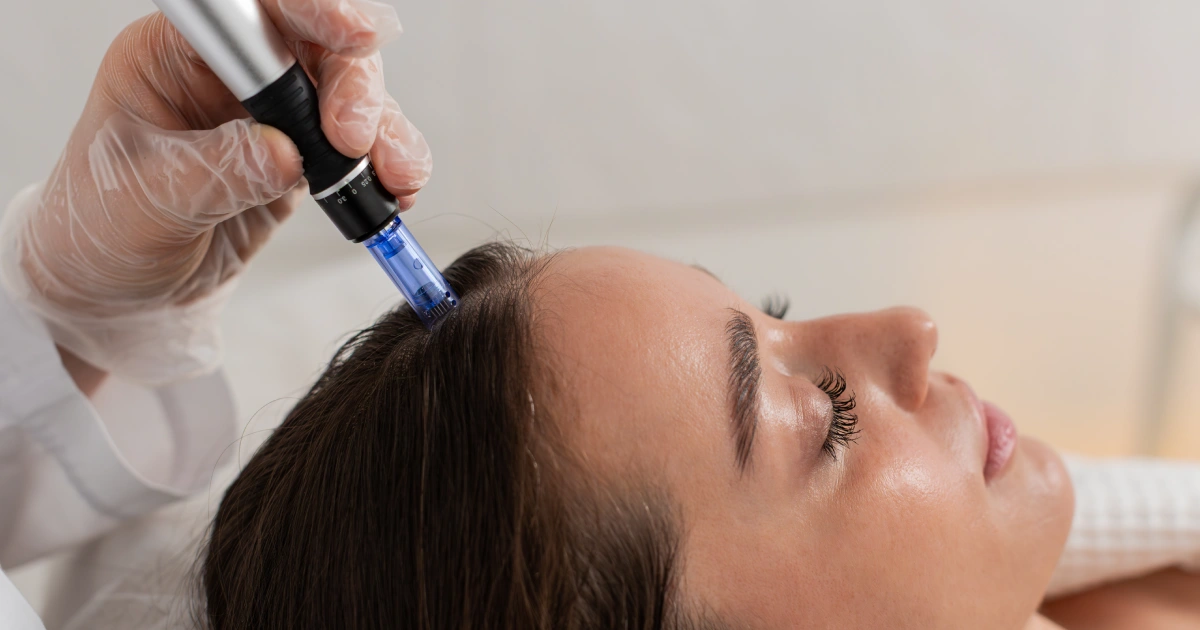
3. Regenerative microneedling for the scalp
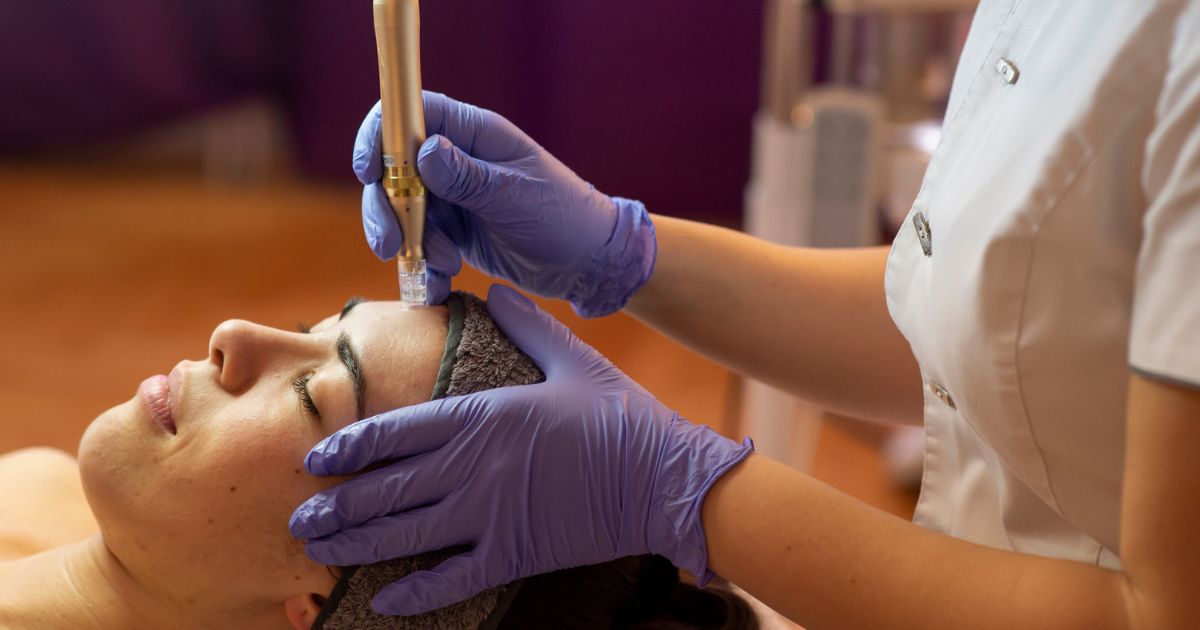
Regenerative microneedling for the scalp creates tiny microchannels in the skin. This controlled stimulation supports collagen production in the scalp and can help topical nutrients and PRP serums absorb more effectively.
Microneedling is often performed in a series, and people commonly report that their hair looks fuller as regrowth occurs and strands thicken. This approach can also pair well with treatments such as PRP or scalp serums, since those microchannels can help deliver beneficial ingredients more deeply, right where follicles live.
During a hair loss consultation, you can discuss what you are currently using, what you want to avoid, and what’s the best hair care after pregnancy. A good plan respects your baby and your peace of mind, not only your hair goals.
Ready To Feel Better About Your Hair Again?
Post-baby shedding can feel like a rude surprise, but it is also something you can address with a smart plan. If you want guidance tailored to your postpartum stage, schedule, and goals, Glo Med Spa can help you determine what is normal, what needs attention, and which treatments make sense right now.
Begin Your Hair Journey with a consultation and get a plan you can stick with, no stress, just steady progress.