Table of Contents
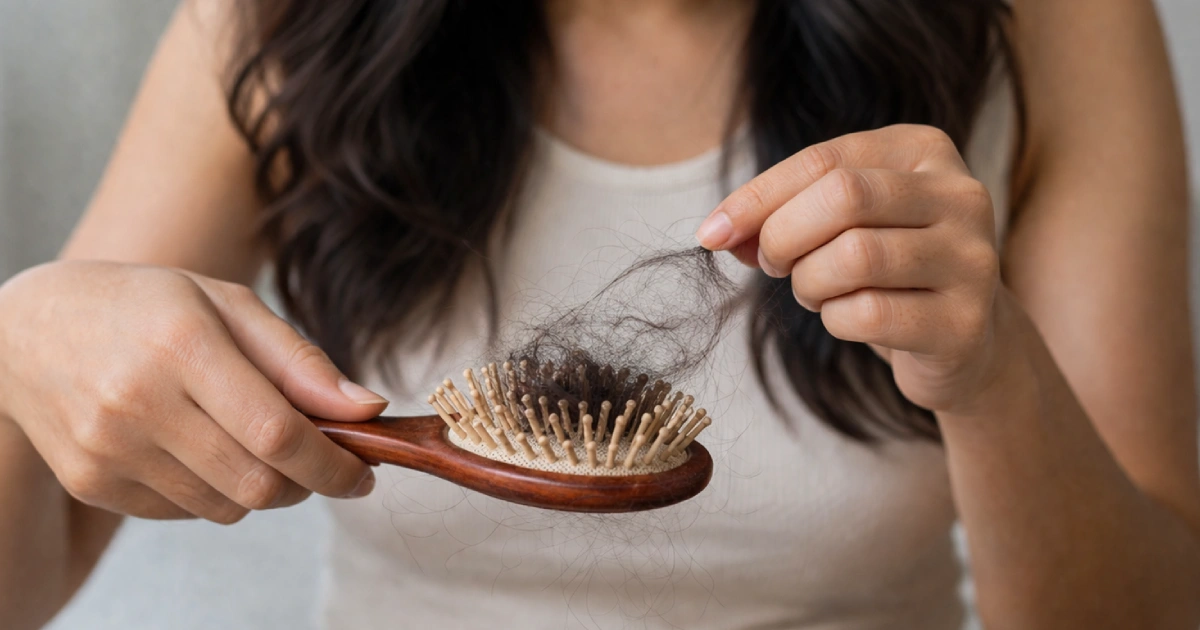
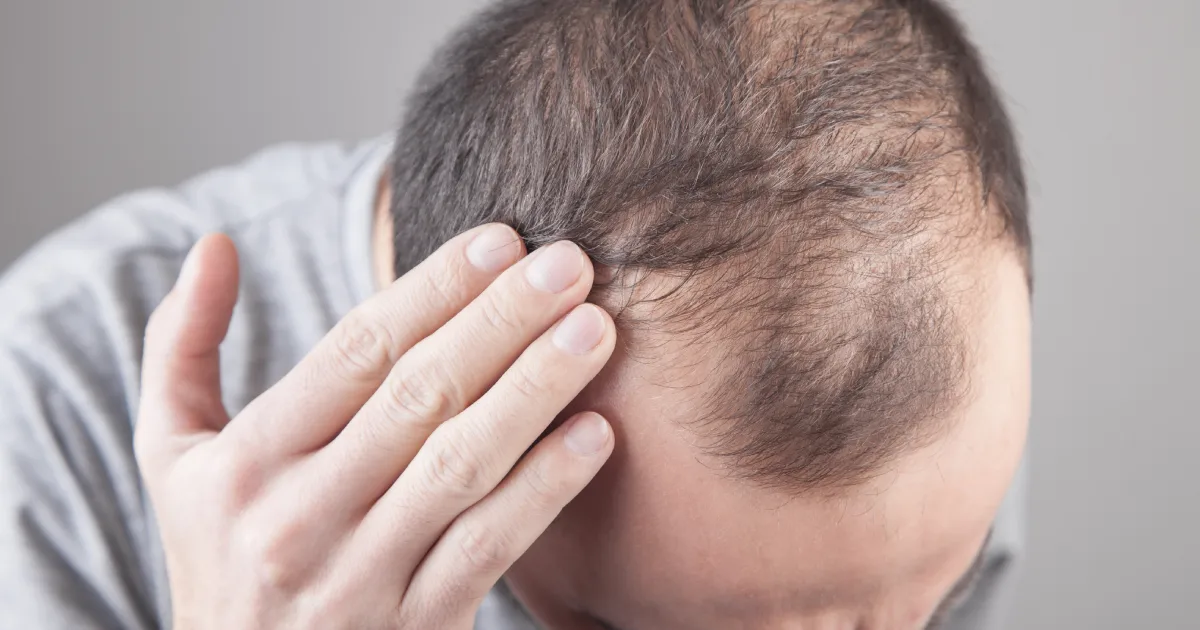
Hair loss is personal. For some people, it appears as a gradual thinning of the crown. For others, it starts with a receding hairline or extra shedding in the shower. No matter how it begins, the question is usually the same. What is the right way to treat it?
This guide walks through Non-Surgical vs. Surgical Hair Restoration in a clear, practical way. You will learn how each option works, who tends to benefit most, and how treatments like PRP fit into the bigger picture. At Glo Med Spa in Austin, TX, education comes before treatment. Understanding your options is the first step toward better hair health.
What Surgical Hair Restoration Involves
A hair transplant is commonly referred to as surgical hair restoration. This process transfers healthy hair follicles from regions with healthy development to balding or thinning areas.
How Hair Transplants Work
During a transplant, follicles are carefully removed from donor areas, usually the back or sides of the scalp. These follicles are then placed into thinning areas. Since they come from regions resistant to hair loss, they often continue to grow long-term.
The procedure is done under local anesthesia and can take several hours. Recovery time varies, and full results develop gradually over several months.
Benefits of Surgical Hair Restoration
Surgery can offer permanent results in areas where hair follicles are no longer active. It can significantly improve density in advanced hair loss when done by an experienced provider.
Limitations to Keep in Mind
Hair transplant surgery requires downtime, healing, and patience. There is also a higher upfront cost compared to non-surgical treatments. Not everyone is a candidate, especially if donor hair is limited or hair loss is still progressing.
This leads many patients to explore alternatives to hair transplant procedures first.
What Non-Surgical Hair Restoration Really Means
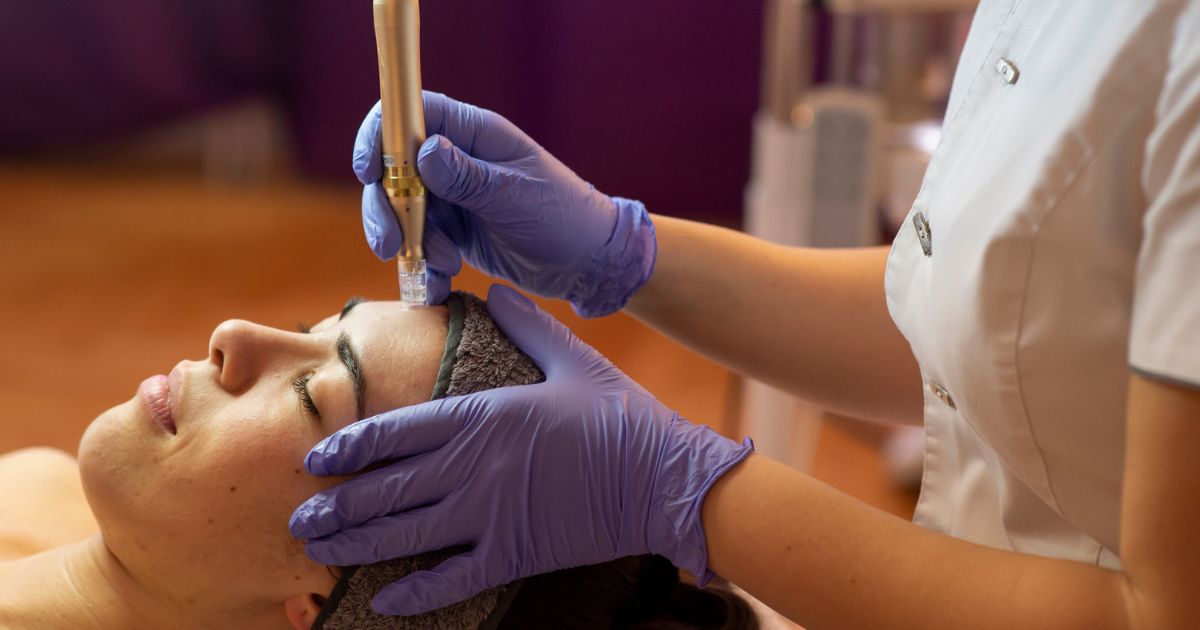
Non-surgical hair restoration focuses on improving the health of existing follicles. These treatments aim to slow shedding, support regrowth, and improve hair thickness without incisions or stitches.
Non-surgical hair replacement options are often used for early-to-moderate hair loss or as ongoing support after surgery.
Why Non-Surgical Treatments Are So Popular
Many people prefer treatments with minimal downtime and lower commitment. Non-surgical options allow you to return to normal activities quickly and can be adjusted over time as your hair changes. When comparing hair transplant vs non-surgical options, the differences often come down to invasiveness, recovery time, and the severity of hair loss.
PRP Hair Restoration and How It Works
Platelet-rich plasma is referred to as PRP. Your own blood is used in this procedure to promote tissue regeneration and healing.
What Are PRP Injections?
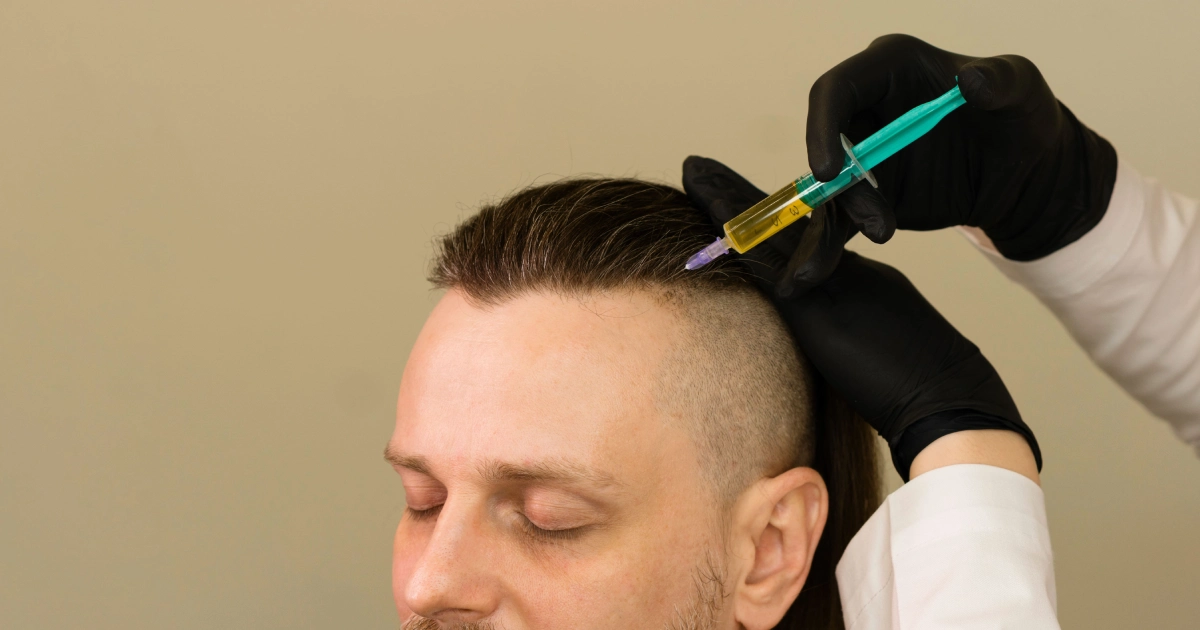
PRP injections begin with a small blood draw. The blood is processed to concentrate platelets, which contain growth factors that support cell repair. The platelet-rich plasma is then injected into targeted areas of the scalp.
PRP is commonly used for skin rejuvenation and hair restoration because it works with your body’s natural processes.
PRP for Hair Growth
For hair restoration, PRP injections can help stimulate follicles, improve hair thickness, and support healthier growth cycles. It does not create new follicles, but it can strengthen the ones you still have.
Patients seeking PRP Injections in Austin, TX often choose this treatment because it fits into a busy schedule and involves little downtime. At Glo Med Spa, PRP treatments are customized based on scalp health, hair density, and individual goals.
PRP Hair Restoration vs Hair Transplant
Understanding PRP hair restoration vs hair transplant helps set realistic expectations.
A hair transplant moves follicles to new areas. PRP focuses on improving the performance of existing follicles. PRP works best for thinning hair, while transplants are better suited for areas with complete hair loss.
PRP treatments are typically done in a series and may require maintenance. Hair transplants are usually a one-time procedure, followed by healing and growth phases. Many patients use PRP before or after surgery to support overall hair health.
Best Option for Thinning Hair: Surgery or Non-Surgical?
The best option for thinning hair: surgery or non-surgical, depends on how much hair loss has occurred and how quickly it is progressing.
If hair is thinning but still present, non-surgical care like PRP can be very effective. If large areas are bald, surgery may be the better solution.
A professional hair evaluation helps determine which follicles are still viable and which areas may need surgical support.
Who Is a Good Candidate for Non-Surgical Hair Restoration?
Non-surgical treatments are often ideal for people with early hair thinning, increased shedding, or reduced density. They are also popular with patients who want to avoid surgery or are not ready for that step. These options can also support overall scalp health and help slow future hair loss.
Who May Benefit More From Surgical Hair Restoration?
Surgical restoration may be a better fit for individuals with advanced hair loss and stable donor areas. Patients who want a more dramatic change and are comfortable with recovery often choose this route.
A consultation is essential to determine candidacy and long-term planning.
The Importance of a Personalized Consultation
Hair restoration works best when it is personalized. A proper consultation looks at scalp condition, hair density, medical history, and lifestyle factors.
At Glo Med Spa, consultations are focused on education and clarity. Patients are guided through their options so they understand what to expect before starting treatment.
What to Expect During PRP Hair Treatment
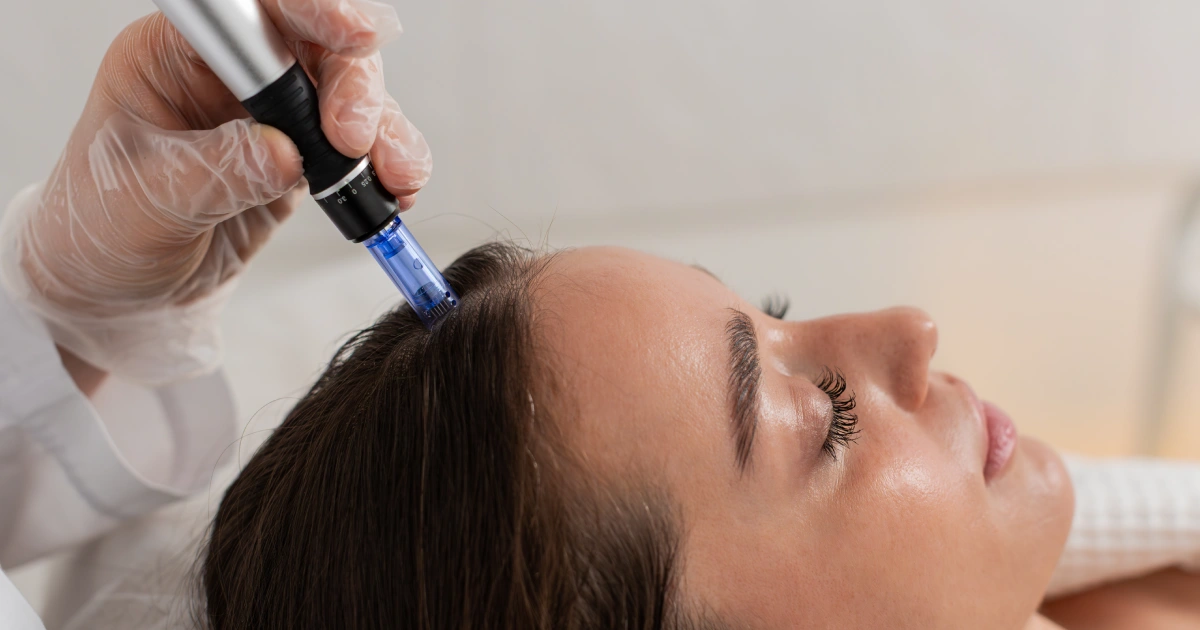
PRP sessions are performed in-office and typically take under an hour. Most patients describe the sensation as mild pressure. There is minimal downtime, and you can usually return to normal activities the same day.
Results develop gradually as hair growth cycles respond to treatment over several months.
Maintenance and Long-Term Results
Hair restoration often requires ongoing care. Non-surgical treatments may need periodic sessions to maintain results. Surgical results are long-lasting for transplanted follicles, but surrounding hair may continue to thin without support. Combining approaches can help protect your investment and support overall hair density.
Clearing Up Common Misconceptions
One common misconception is that non-surgical options are ineffective. When used early and consistently, they can produce noticeable improvement. Another misunderstanding is that hair transplant results are immediate, when in reality, growth takes time.
Explore Your Options Today
Choosing between Non-Surgical vs. Surgical Hair Restoration is not about finding a single perfect answer. It is about selecting the right approach for your hair loss stage, goals, and comfort level.
From PRP to hair transplants, modern hair restoration offers flexible options that can be adjusted over time. If you are ready to explore your choices with expert guidance, Start Your Hair Journey with a consultation at Glo Med Spa and take the next step toward healthier hair.